
How to Talk to Vietnamese People
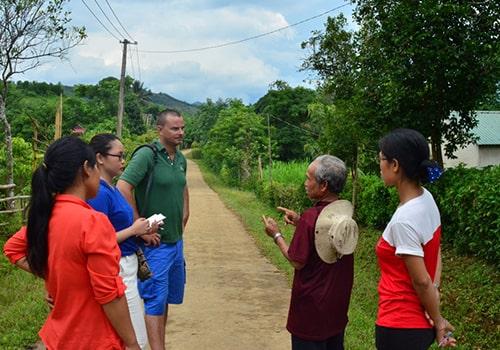
How to Talk to Vietnamese People: A Practical Guide for Foreigners
Speaking Vietnamese is more than learning vocabulary and grammar—it is about building relationships. Whether you are living in Vietnam, traveling, working with Vietnamese colleagues, or simply making new friends, understanding how Vietnamese people communicate can make conversations much smoother and more enjoyable.
Many foreigners worry about saying the wrong words or making pronunciation mistakes. In reality, most Vietnamese people appreciate anyone who makes an effort to speak their language. A friendly attitude, combined with a few useful expressions, often matters more than perfect grammar.
1. Start with Polite Greetings
First impressions are important in Vietnamese culture. Beginning a conversation with a simple greeting shows respect and creates a welcoming atmosphere.
Useful expressions include:
Xin chào – Hello
Chào bạn! – Hi!
Rất vui được gặp bạn. – Nice to meet you.
Bạn khỏe không? – How are you?
Cảm ơn. – Thank you.
Xin lỗi. – Excuse me / Sorry.
In many situations, Vietnamese people also greet others by asking about their health, work, or family. These questions are considered friendly rather than intrusive and help build rapport.
2. Understand Vietnamese Communication Culture
Learning the language is only part of successful communication. Understanding Vietnamese culture is equally important.
Vietnamese conversations often emphasize politeness, humility, and respect for age. Choosing the appropriate pronoun depends on the relationship between speakers, which may seem unusual for beginners. Don't worry if you are unsure at first—native speakers are generally patient and willing to guide you.
Smiling, maintaining a friendly tone, and listening carefully also play an important role in Vietnamese communication. Instead of speaking too quickly, focus on clear pronunciation and simple sentences.
Many learners at Hoang Thanh Dieu Language Center practice these real-life communication skills through interactive online lessons. Rather than memorizing dialogues, students participate in conversations that reflect everyday situations such as meeting new people, introducing themselves, chatting with neighbors, or speaking with colleagues.
3. Build Confidence Through Everyday Conversations
The best way to become comfortable speaking with Vietnamese people is to practice regularly.
Start with short conversations at cafés, restaurants, markets, or public transportation. Ask simple questions, introduce yourself, and don't be afraid to make mistakes. Every conversation improves your listening skills and helps you become more familiar with natural Vietnamese speech.
Watching Vietnamese television programs, listening to podcasts, and joining language exchange communities are also excellent ways to learn common expressions and conversational habits.
Remember that communication is about connection, not perfection. Native speakers rarely expect foreigners to speak flawless Vietnamese. They usually appreciate your willingness to learn and are often happy to help you improve.
Talking with Vietnamese people is one of the fastest ways to develop language skills while gaining a deeper understanding of Vietnam's culture and traditions. Every greeting, every shared smile, and every conversation helps transform classroom knowledge into real-life communication.
The more you speak, the more confident you become—and before long, Vietnamese conversations will begin to feel natural and enjoyable.